Two names, one kind of problem
Tennis elbow shows up on the outside of the elbow, where the muscles that lift your wrist and fingers attach. Golfer's elbow appears on the inside, where the gripping muscles connect. Despite the names, most people who get them don't play either sport.
Both develop when the tendon at the elbow is loaded more than it can recover from, usually through repeated gripping, twisting or lifting. They often come on slowly and can hang around for a long time if nothing changes.
Who we see with it
Racquet sports are a classic cause, but far from the only one. We regularly see it in people who:
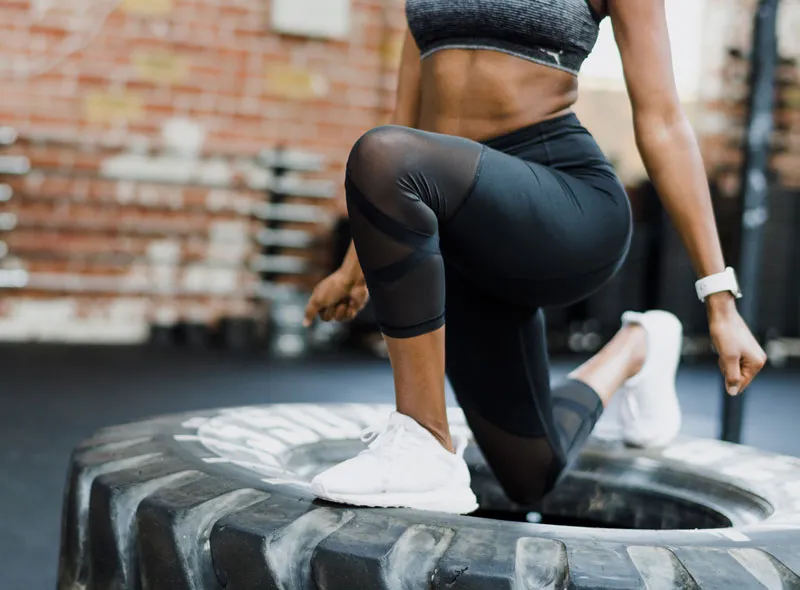
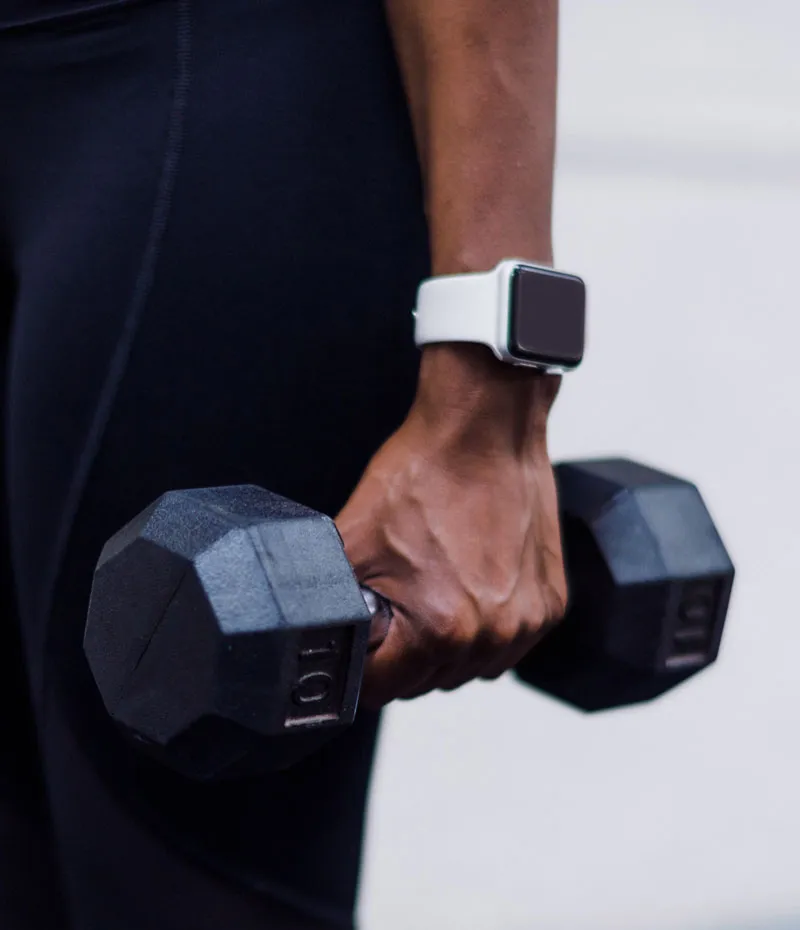
- Lift weights with heavy pulling and gripping
- Climb indoors or outdoors
- Work with tools, hammers or wrenches
- Spend long days on a keyboard and mouse
- Carry kids or car seats on one arm
- Play racquet sports or golf
What your therapist will do
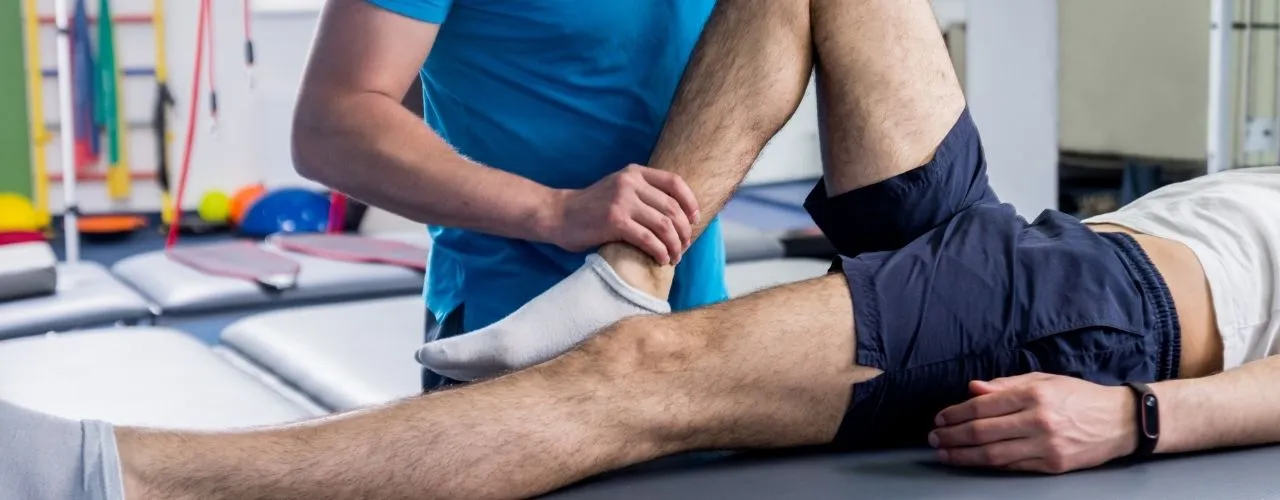
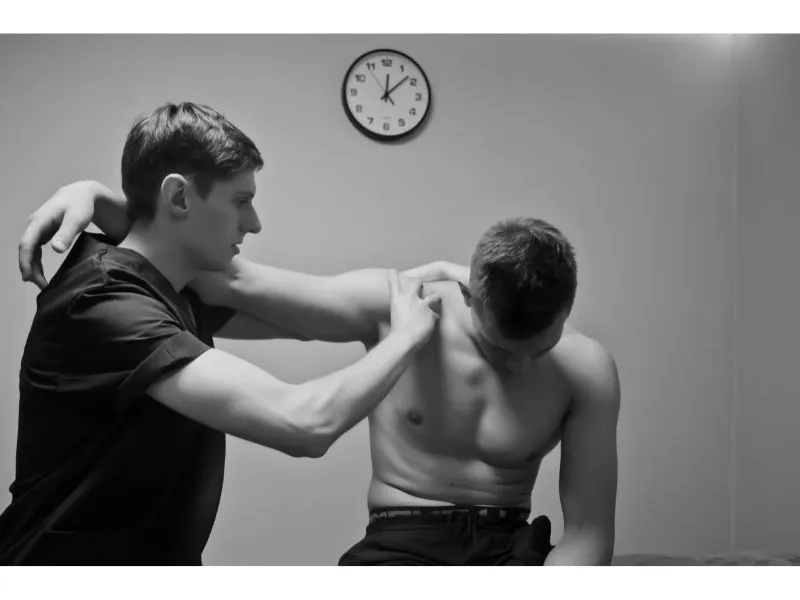
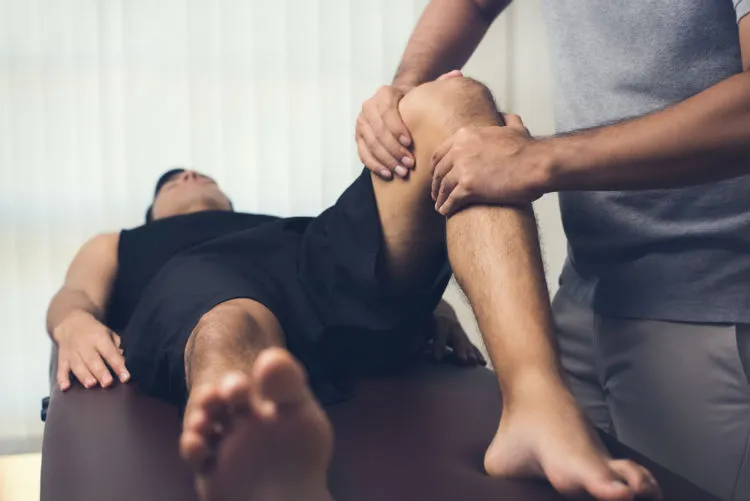
We work the whole arm, not just the sore spot. Deep tissue and trigger point work through the forearm takes tension off the tendon. Graston-style scraping helps with dense, stuck areas. We also check the upper arm, shoulder and upper back, which often tighten up as you compensate.
Expect your therapist to ask you to make a fist, extend your wrist or squeeze, both to find the irritated spot and to check how things change during the session. Many people notice gripping feels easier before they leave.
Near the elbow, pressure stays careful. Tendons don't like being hammered, so we use gentle cross-fiber work rather than aggressive digging.
Making it stick
Pay attention to the moments that hurt most. If it's the last few reps of a heavy pull, the end of a long pickleball session, or the afternoon slump at your desk, those are the places to adjust first. Spreading the load across the week instead of cramming it into one day also gives the tendon time to recover.
Tendons get stronger with the right amount of load. A physical therapist can guide you through slow strengthening exercises, which are one of the most effective tools for elbow tendon pain. In the meantime, try a wider grip, lifting straps, a different racquet or paddle grip size, or a more neutral mouse. Small changes add up over a few weeks.
Signs it needs a closer look
Get a medical opinion if your elbow pain started with a fall or a hard impact, if the elbow is swollen or hot, if you have numbness or tingling in the hand, if your grip is getting noticeably weaker, or if nothing improves after a couple of months of sensible changes.