Why runners book with us
Plenty of our runners started as walkers or hikers who caught the bug later in life, and plenty more ran in high school and are getting back into it. Wherever you're starting from, we'll meet you there.
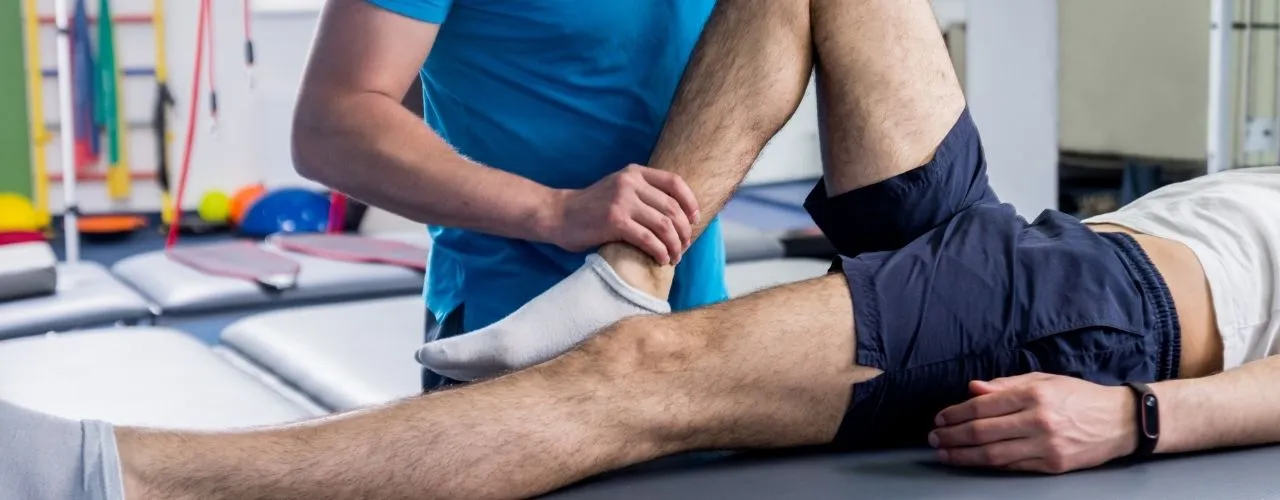
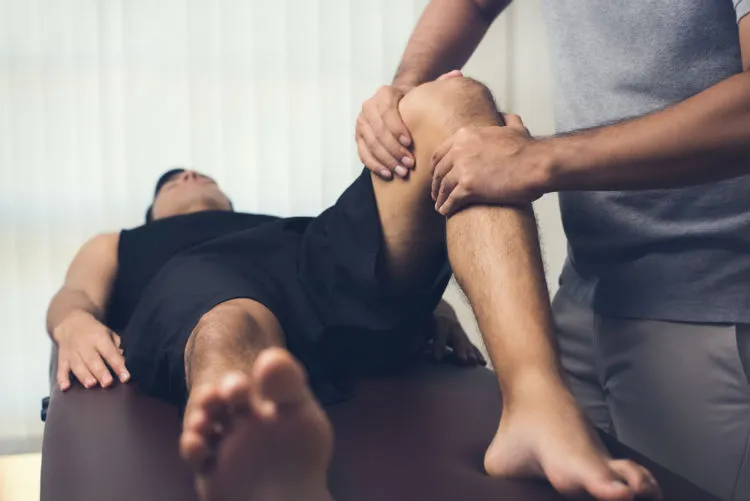
Running is repetitive. The same muscles take thousands of impacts every run, and small imbalances get louder over time. Regular massage gives you a chance to catch tightness in the calves, hamstrings, quads and hips before it starts changing your stride.
Hills matter here. Long climbs load the calves and Achilles, and steep descents hammer the quads and knees. Trail runners in particular tend to come in with very different tightness patterns than people who stick to the road, and we adjust accordingly.
It's also a chance to talk to someone who understands training. We'll ask about your mileage, your next race, and what has been bugging you, and plan the session around it.
A proof point from our table
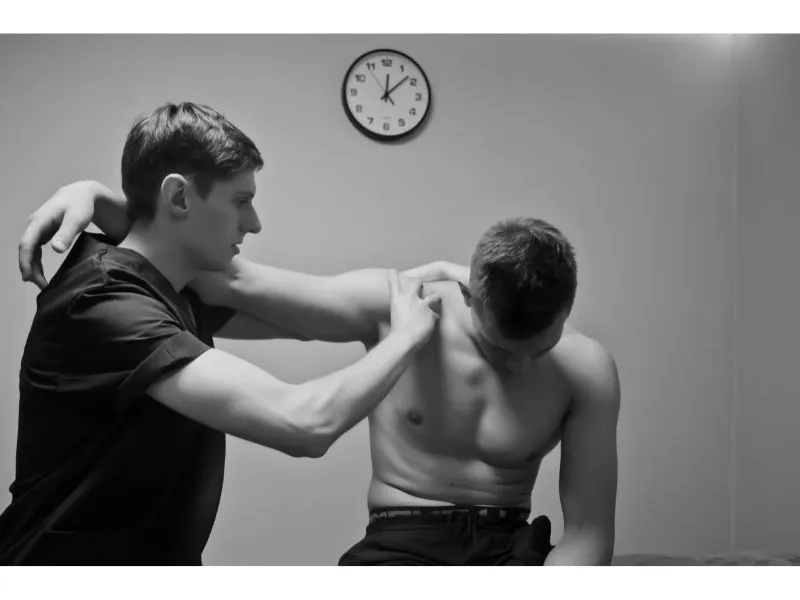
One ultramarathoner came to Erik while recovering from a hip injury after a race. He has been part of her recovery and her training for future races, helping improve her mobility and reduce pain so she can keep training with confidence. That's the goal for every runner we see: stay healthy enough to train consistently.
What we work on
Every runner is different, but these areas get the most attention:
- Calves, Achilles and feet
- Hamstrings and quads
- Hips, glutes and the outer thigh
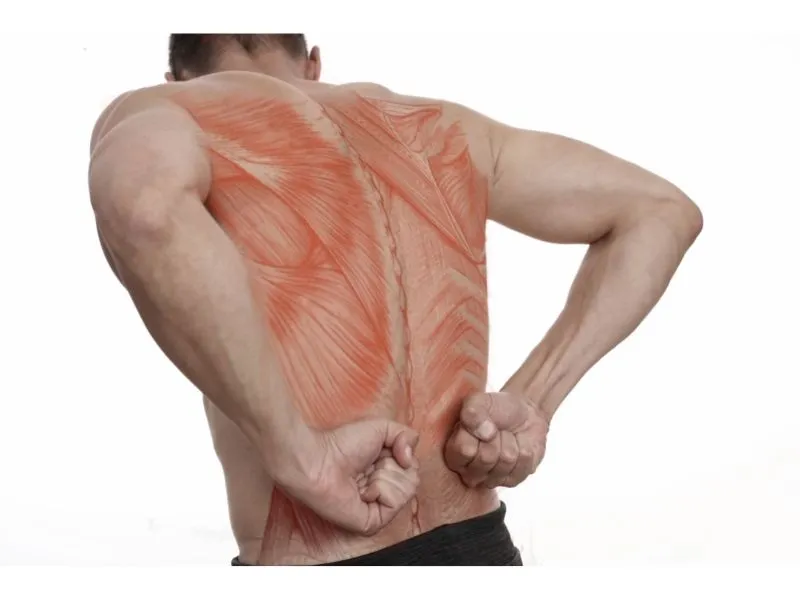
- Low back and core muscles
- Cupping and instrument-assisted scraping
- Assisted stretching to finish
Planning around race day
If you're building toward a goal race, it helps to book a few sessions across the training block rather than one right before the race. That way your therapist learns how your body responds and can dial in pressure and focus.
Schedule deeper sessions earlier in race week, ideally three or more days out, so any soreness clears. A lighter flush closer to the race is fine for most runners. After a big effort, give your legs a couple of days before booking recovery work. During heavy training, a session every two to four weeks is common, with more frequent visits if something is flaring up.
When an ache is more than tightness
Pain that gets worse as you run, pinpoint bone tenderness, swelling, or pain that keeps you up at night can be signs of a stress fracture or other injury. Stop running and see a medical provider. We can help once you know what you're dealing with.