Deep, not rushed
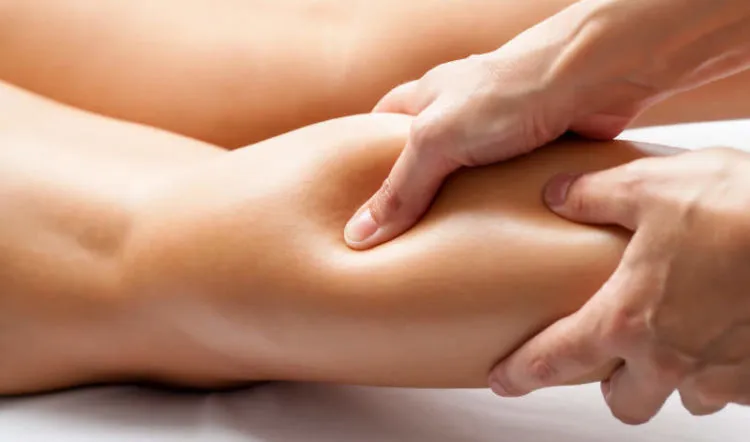
The secret to effective deep work isn't brute force. It's patience. Your therapist sinks into the tissue gradually, waiting for each layer to soften before moving deeper. Done well, it feels strong and productive rather than sharp.
That slower pace lets us reach the muscles that sit under the surface ones, plus the fascia that wraps around them. When those layers are stuck together, they limit movement and create the dull, constant ache many people just learn to live with.
Who it helps most
Deep tissue work tends to be a great fit if you deal with:
- Neck and upper back tension from screens and long drives
- A low back that stiffens after sitting or lifting
- Tight hips and glutes from running, cycling or desk work
- Calves and feet that ache by the end of the day
- Old scar tissue that still feels restricted
- Recurring knots that come right back
Inside the session
You'll start by pointing out where you feel stuck. Some people want the whole body covered; others want the full hour spent on one stubborn shoulder. Both are fine.
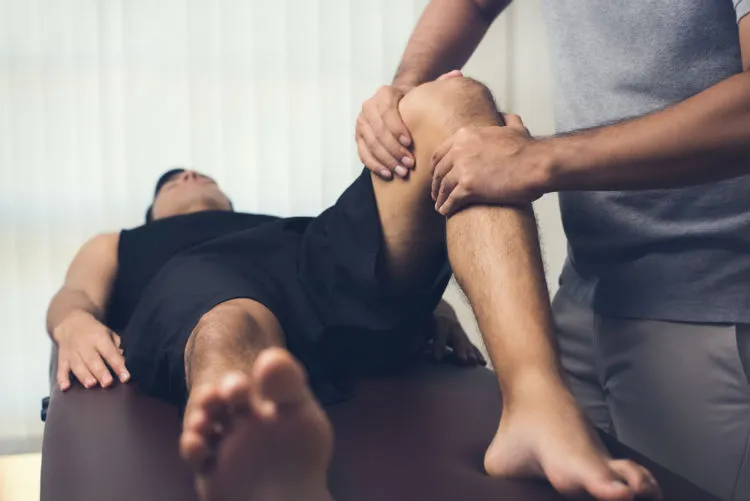
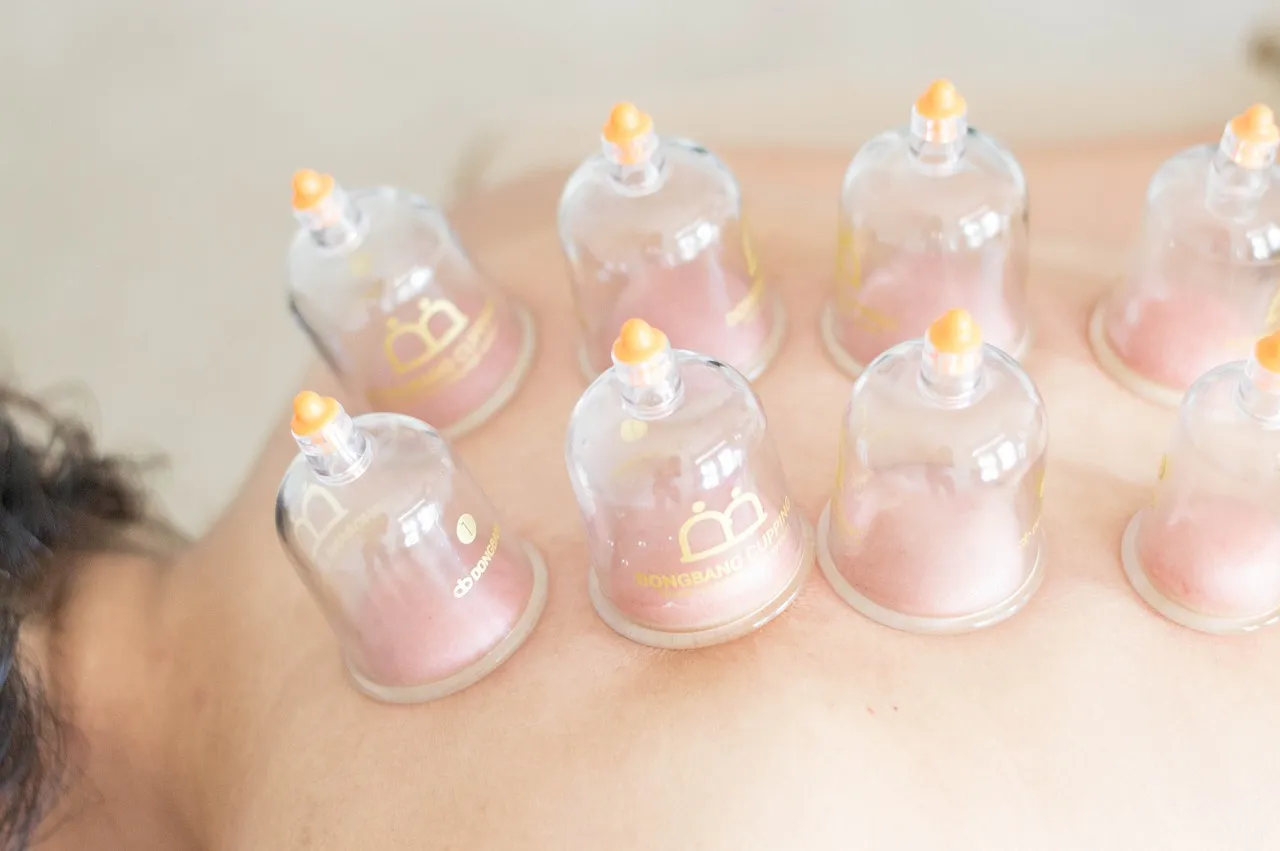
Your therapist will work slowly, often using forearms and elbows as well as hands, and may add tools like cupping or scraping. Breathing slowly and staying relaxed helps the tissue release. If the pressure ever feels like too much, say so and it changes right away.
Afterward
Most people feel lighter and looser walking out. It's also normal to feel a little sore the next day, similar to after a good workout, especially if it's been a while since your last massage. Drink water, take a walk and avoid your heaviest training for a day. The soreness fades, and the improved movement tends to stick around, especially with regular visits.