How hamstrings get pulled
The hamstring group runs from the sit bone down past the back of the knee. These muscles slow your leg down at the end of every stride, which means they take a lot of stress during sprinting, kicking and quick changes of direction.
Strains often happen when the muscle is tired, cold or simply asked to do more than it is ready for. Weekend players returning to a sport after a few years off are a classic example, and so are high school and college athletes early in a season.
Why they keep coming back
A hamstring that has been hurt once is more likely to be hurt again. Part of the reason is that the healing tissue can lay down in a less organized, stiffer way, and part is that people go back to full speed before the muscle has rebuilt its strength.
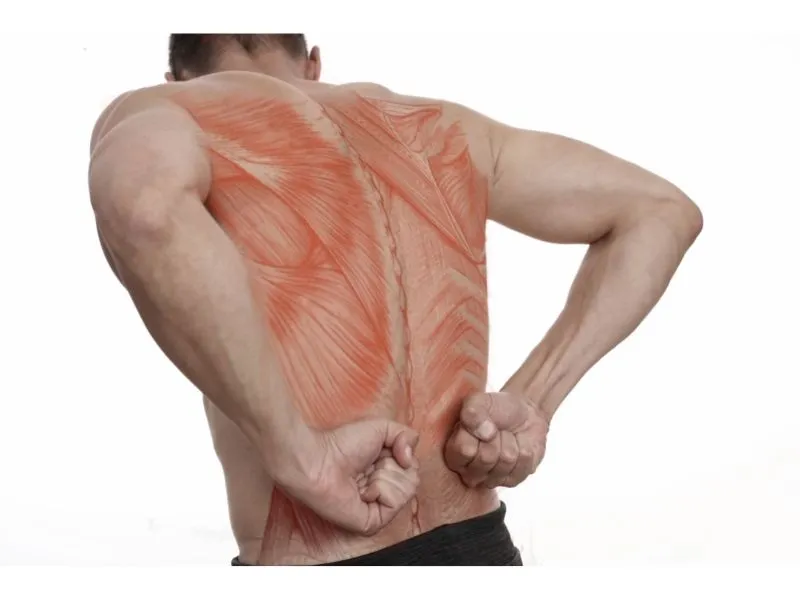
Tight hip flexors, sleepy glutes and stiffness in the low back can also leave the hamstring doing more than its share. That is why we look at the whole back half of the leg and hip.
What a session looks like
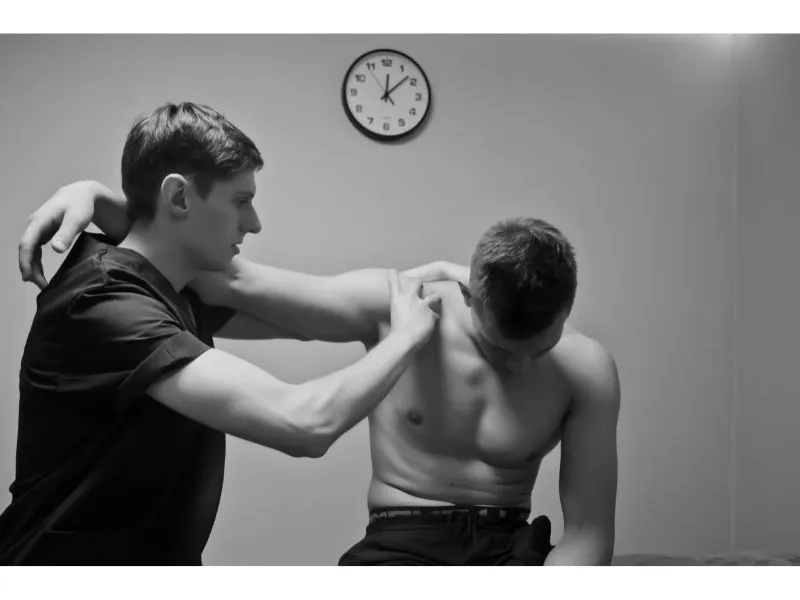
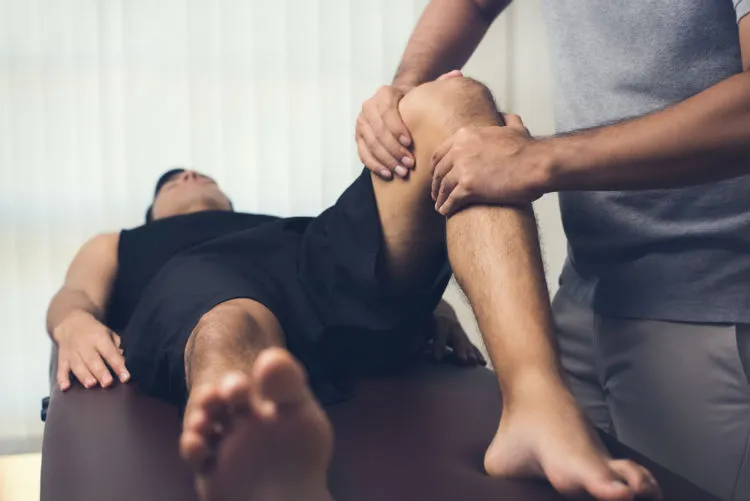
Early on, after a fresh strain, we keep things gentle. The goal is easing guarding in the surrounding muscles without stirring up the injured spot. As it settles, the work becomes more direct.
- Cross-fiber and deep tissue work on stiff, scarred areas
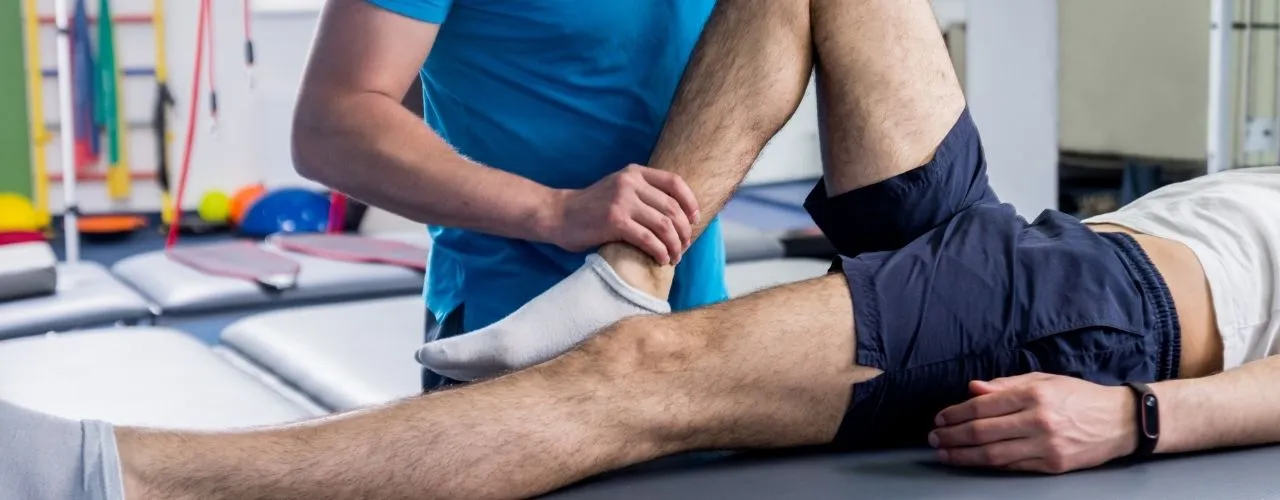
- Pin-and-stretch, where we hold tissue while you move the leg
- Graston-style scraping along the back of the thigh
- Cupping to lift and decompress tight spots
- Glute, hip flexor and calf release
- Assisted stretching to finish
Building back up
Massage pairs best with a gradual return to load. Strength work prescribed by your physical therapist or coach, a progressive return to running and sprinting, and a solid warm-up before games all matter. If you play in a rec league or run the Murdock Canal Trail, tell your therapist what you're aiming for and when, so sessions land at the right time.
When it needs a doctor first
Get evaluated by a medical provider before massage if you heard or felt a pop, if bruising spreads down toward the knee, if walking is difficult, or if you notice a gap or bulge in the back of the thigh. Those can signal a more significant tear or tendon injury that needs imaging and a proper rehab plan.