Why the bottom of your foot hurts
Your plantar fascia is a tough, flat band that stretches from the heel bone toward the toes. Think of it like a bowstring holding up your arch. Every step loads it, and when it is loaded more than it can recover from, the spot where it anchors to the heel gets cranky.
People often notice it most after rest. The first few steps in the morning, standing up after a long drive, or getting out of the car after church or a ballgame can all bring a sharp jolt. It tends to ease once you get moving, then creep back after a long day on your feet.
What usually sets it off
There is rarely one cause. More often it is a few small things stacking up at the same time.
- Adding miles or elevation faster than your feet can adapt
- Tight calves that pull on the heel
- Shoes that have lost their support
- Long hours on concrete or tile floors
- A new job, sport or training plan
- Weight changes that add load to the feet
Our approach at TMT
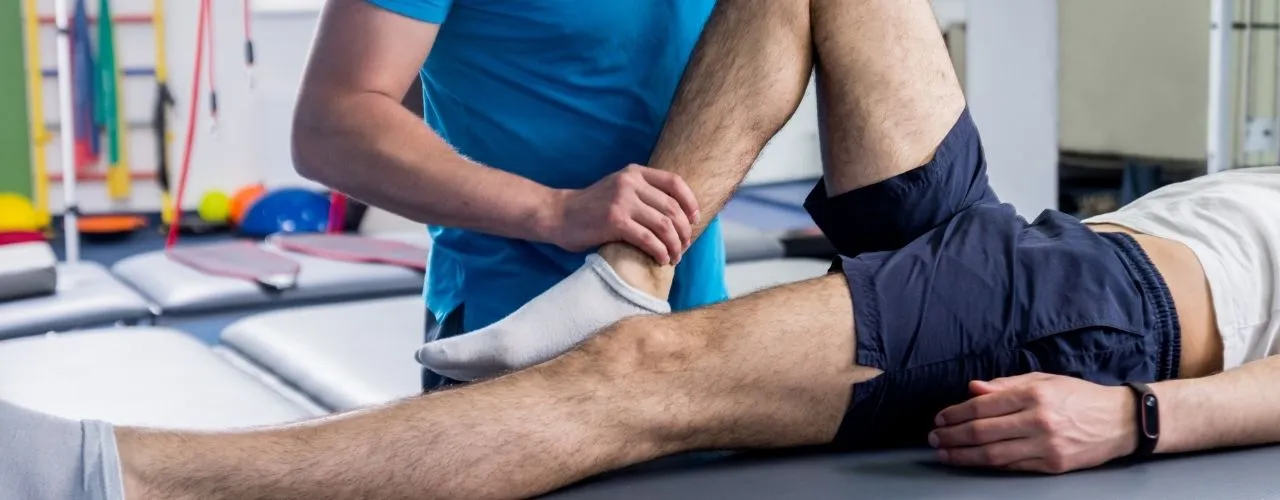
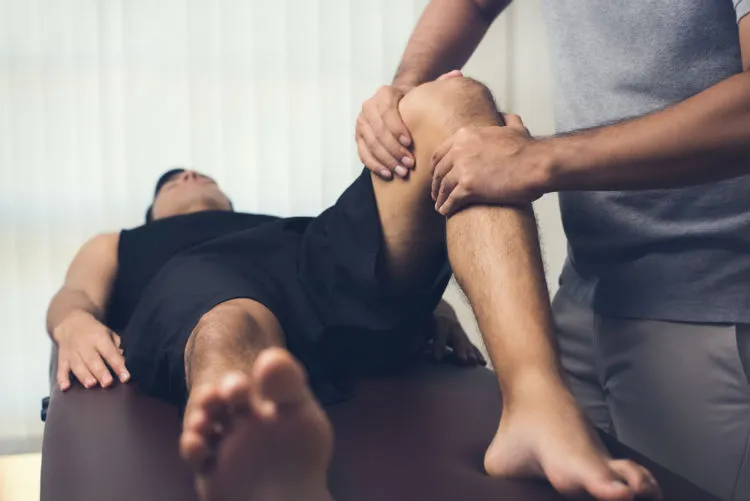
We treat the foot as the end of a chain. Your therapist will usually start up in the calf, where the big gastrocnemius and soleus muscles often feel like rope in people with heel pain, then work down through the Achilles and into the arch.
Depending on how sensitive things are, that can include slow deep tissue work, trigger point release in the calf and the small muscles of the foot, Graston-style scraping along the arch, and cupping on the lower leg. We finish with assisted calf and foot stretches so you leave knowing what loose is supposed to feel like.
Work under the arch can be tender. You set the pressure, and we can always back off and come at it from the calf instead.
Helping it heal between visits
Massage can help calm things down, but your daily routine decides how fast the tissue settles. Keep your calves stretched, roll your arch gently on a ball while you work, and wear supportive shoes around the house instead of going barefoot on hard floors. If you love the Grove Creek or Battle Creek Falls trails, shorter, flatter outings for a few weeks are usually smarter than pushing through steep descents.
Signs you should get it checked
Heel pain is not always plantar fasciitis. See a medical provider if the pain began with a fall or a sudden pop, if you can't put weight on the foot, if the heel is swollen or bruised, if you feel burning, numbness or tingling, or if a few weeks of sensible changes haven't helped. Once you have a diagnosis, we're glad to fit our work around their plan.