Where shoulder pain comes from
The shoulder trades stability for range. A shallow socket lets your arm move in almost any direction, but it depends on a team of small muscles, including the rotator cuff, to keep everything centered. When those muscles get tired, tight or out of balance, the joint starts to complain.
Typical patterns include a dull ache on the front or outside of the shoulder, a pinch when lifting the arm out to the side, trouble reaching behind your back, and stubborn knots along the shoulder blade that refer pain toward the neck or down the arm.
Habits that make it worse
Weekend projects count too. Painting a ceiling, hanging drywall or a long day of yard work can leave a shoulder angry for days, especially if it was already a little stiff going in.
Rounded posture is a big one. Long hours looking at screens pull the shoulders forward and tighten the chest, which changes how the shoulder blade glides. Repetitive overhead work, heavy pressing without enough pulling, and sleeping on the same side every night can all add up.
How we work on shoulders
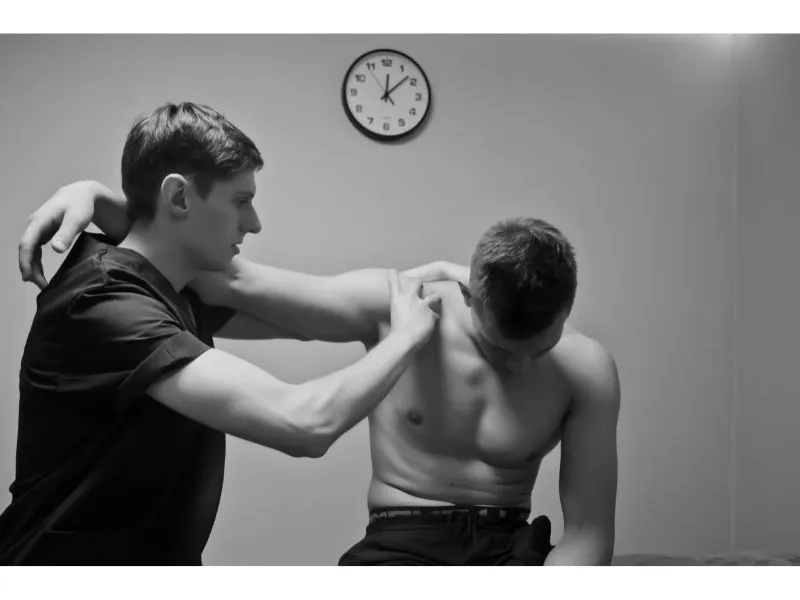
Your therapist will check how far and how comfortably your arm moves before starting, then target the muscles that are holding you back. A lot of this happens with the arm moving, so the tissue releases in the positions your daily life demands.
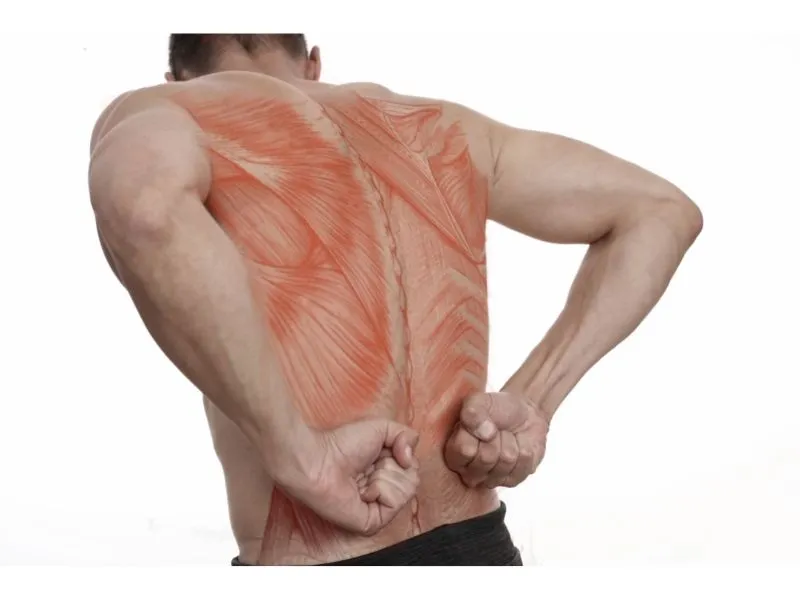
- Rotator cuff muscles front and back
- Pecs and lats that pull the shoulder forward
- Muscles between and around the shoulder blades
- Upper traps and neck
- Trigger point work for pain that travels
- Cupping across the upper back
Keeping it moving between sessions
Small daily habits go a long way. Set a reminder to stand and reset your posture, add a doorway chest stretch, and balance your pressing with rowing movements and band pull-aparts. If you lift or throw, a short rotator cuff warm-up before you start helps. Massage can help restore range, and strength work helps you keep it.
Red flags to take seriously
See a medical provider if your shoulder pain followed a fall or the shoulder felt like it popped out, if you can't lift your arm, if pain keeps you up every night, or if you have numbness or weakness down the arm. Chest pain, jaw pain or shortness of breath with arm pain is a medical emergency, so call 911.