What happens to the leg after surgery
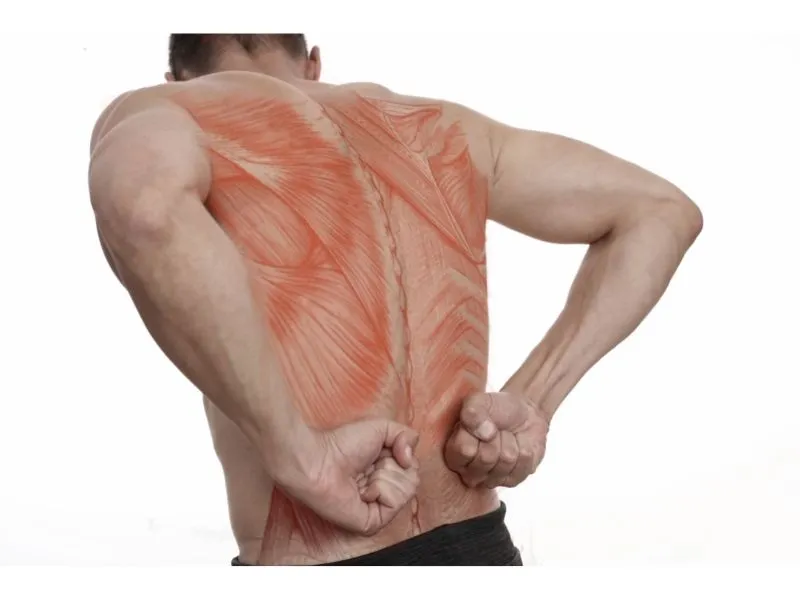
After knee surgery the body goes into protection mode. The quad can be slow to switch on, the hamstrings and calf often tighten, and swelling makes everything feel stiff. Weeks of walking differently can also leave the hips, low back and the other leg sore.
Scar tissue forms around incisions and where the graft was taken. Over time it can feel tight or stuck, especially as you push for full bending and straightening. Some people also notice numbness or sensitivity near the incision for a while, which is worth mentioning to your therapist so they can adjust.
How massage supports rehab
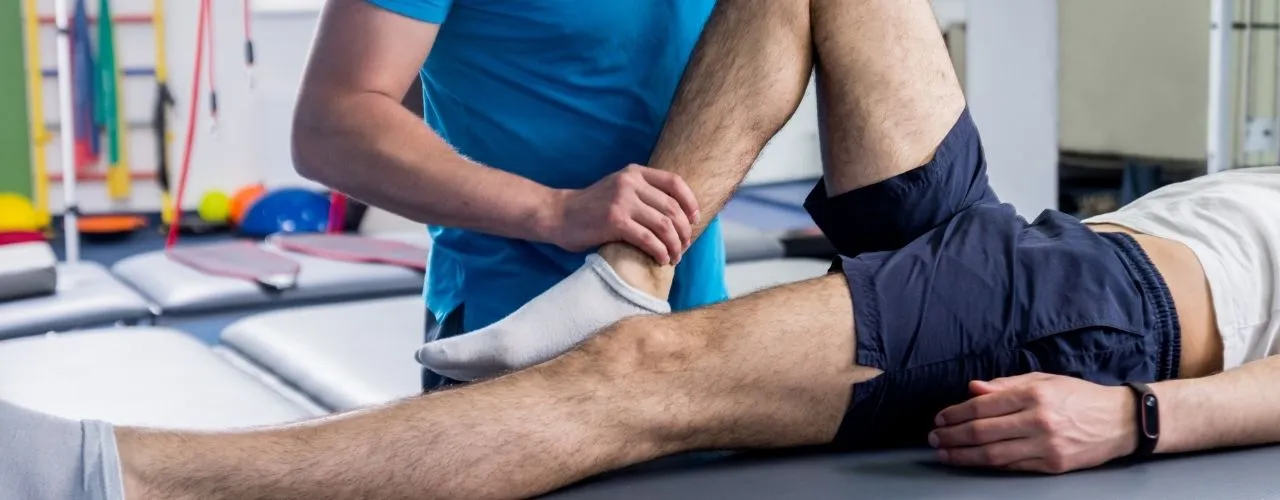
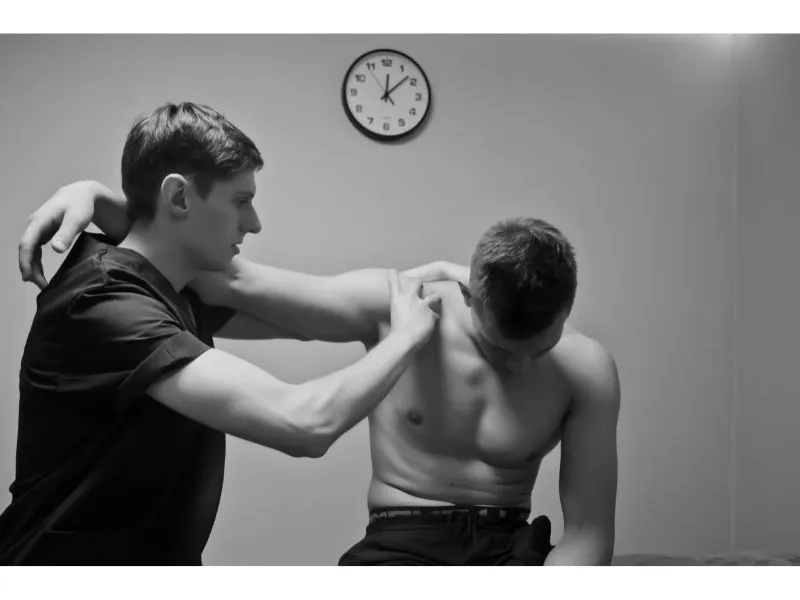
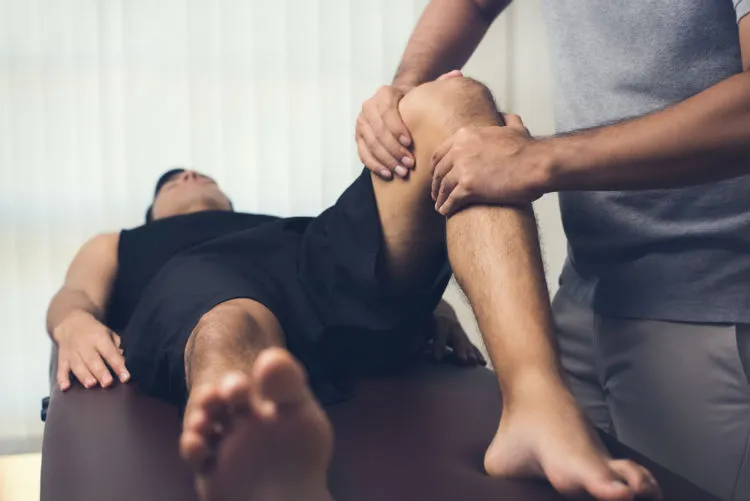
Soft tissue work can help reduce muscle guarding, improve how comfortable your PT exercises feel, and ease the general soreness that comes with rebuilding a leg. Many athletes say it helps them feel more in control of their recovery.
- Quad and hamstring release
- Calf and back-of-knee work
- Hip and glute work for compensation patterns
- Gentle scar mobilization once incisions are healed and cleared
- Work on the non-surgical leg and low back
- Assisted stretching within your allowed range
Phases and timing
Get the okay from your care team before your first session. In the early weeks we stay well away from the incisions and focus on the rest of the leg and body. Direct scar work waits until the skin is fully closed and you have the green light.
As rehab moves toward jogging, jumping and cutting, sessions shift toward sports massage, helping the whole leg handle the new demands. Let us know what your PT is working on so our session can match.
Beyond the ACL
Recovery is as much mental as physical. A session where someone else takes care of the tight, tired muscles can be a welcome break from months of exercises, and it gives you a chance to notice progress you might otherwise miss.
The same approach works for meniscus repairs, MCL injuries and many other knee surgeries. Bring any guidance from your care team and we'll work within it.
Call your surgeon if you notice
Contact your surgeon promptly if you see redness, warmth or drainage at an incision, have a fever, notice calf pain or swelling that is getting worse, or feel the knee give way. These need medical attention, not massage.