Telling the two apart
IT band syndrome usually hurts on the outside of the knee. Runners describe a sharp or burning spot that appears at a predictable point in a run and gets worse going downhill. It often settles with rest, then returns on the next outing.
Runner's knee, also called patellofemoral pain, is felt around or behind the kneecap. Stairs, squats, kneeling and long stretches of sitting with bent knees tend to aggravate it.
Both are overuse problems, and both respond to a similar mix of load management, strength work and soft tissue care.
Common causes we see
Most cases come down to doing a bit too much, a bit too soon. Long descents off Mount Timpanogos, a jump in weekly mileage, a new bike fit, or a ski season start can all tip things over. Hip strength plays a big role too. When the glutes don't control the knee well, the tissues on the outside of the thigh and around the kneecap take extra strain.
Where your therapist will focus
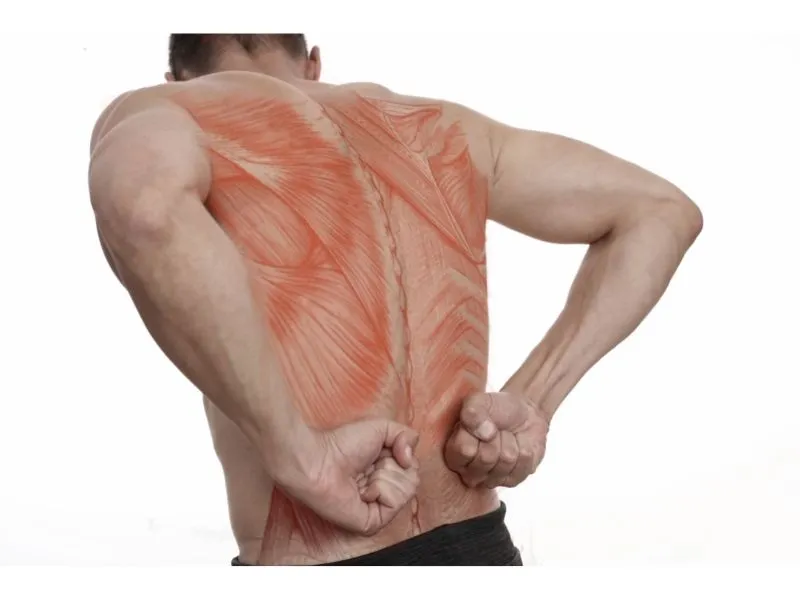
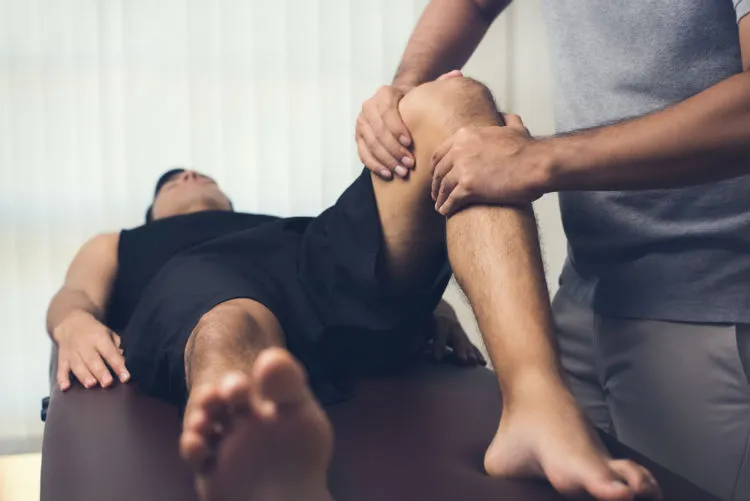
The IT band itself is dense connective tissue and is not something you can stretch out like a muscle. The muscles that pull on it, and on the kneecap, are where massage can make a real difference.
- TFL and glute medius at the side of the hip
- Quadriceps, especially the outer quad
- Hamstrings and calves for overall leg balance
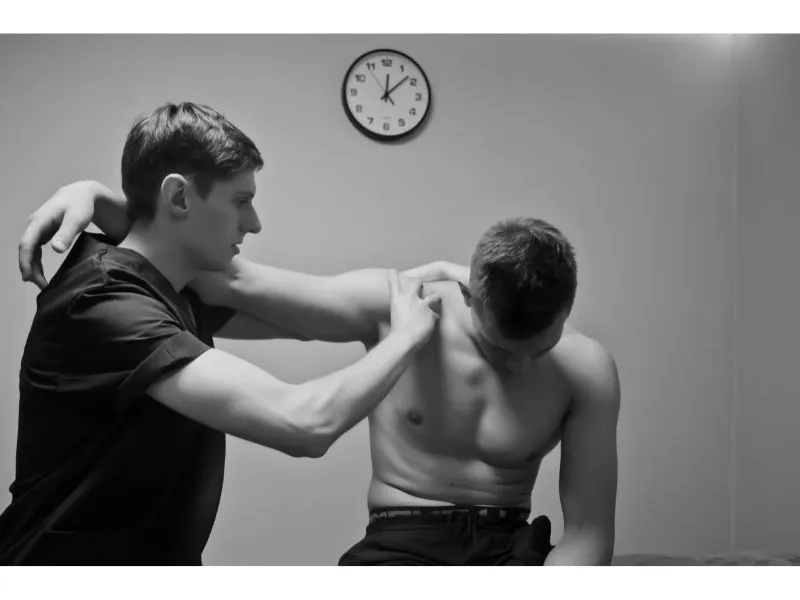
- Trigger point release around the hip
- Graston-style scraping on the outer quad
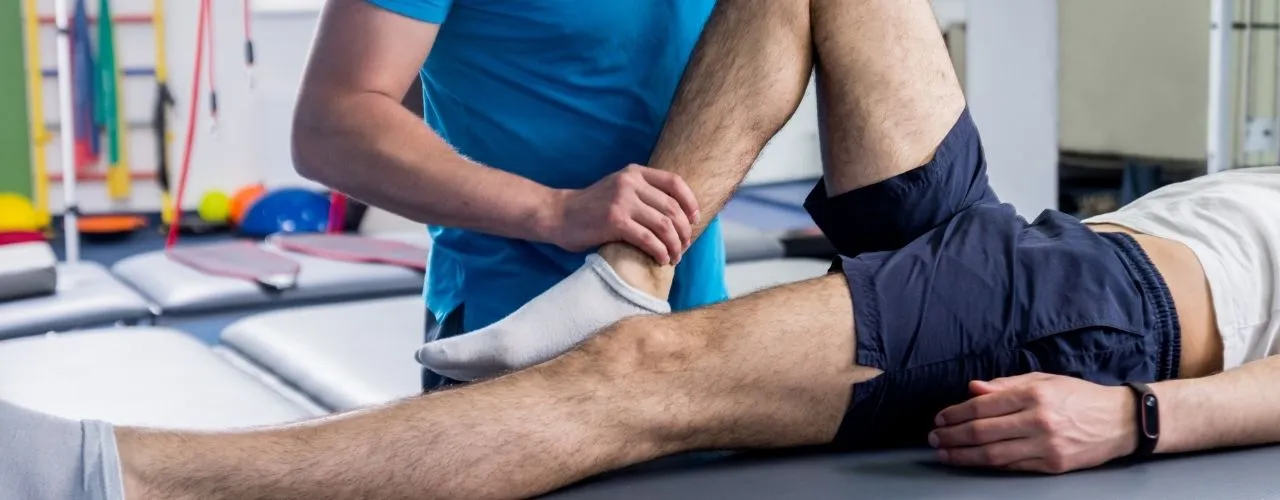
- Assisted hip and quad stretching
Getting back on the trail
Keep a simple log of how far you get before the knee speaks up, and whether hills or flats bother it more. That information helps your therapist and any provider you see understand the pattern.
Most people don't need to stop completely. Trimming mileage, avoiding long downhills for a few weeks, and switching some runs to the bike or pool often keeps you active while things calm down. Add hip strengthening, like side planks and banded walks, and keep foam rolling the thigh and glutes rather than grinding directly on the sore spot. When you're ready, the flat stretches of the Murdock Canal Trail are a good place to test the knee before heading back into the canyons.
When it might be something else
See a medical provider if your knee swells, locks, catches or gives out, if the pain started with a twist or fall, or if it hurts at rest and at night. Those signs can point to a meniscus, ligament or other structural problem that needs a proper diagnosis.